Asetek Chill Control Software
Vapochill comes in two colors (pic courtesy of Asetek). Vipadak na palyavanne perakaz. The good guys at were nice enough to send a sample of the Asetek is one of the first to manufacture a phase change (refrigerator) case and is the winner of an Overclocking award we gave out about four years ago. I’m going to first preview the system and then fire it up for testing next week. Vapochill comes in two flavors – the SE (Standard Edition) and PE (Premium Edition). The primary difference between the two is the ability of the PE to handle 160 watts of “maximum stable load” while the SE tops out at 130 watts. Included are: • Foam insulation for the CPU socket and back • Cooling Head mounting hardware • Two heating elements (for socket moisture control) • Communications cable for changing system settings • Boot Disk for system setting software • Power cable for PCB • Case hardware • Thermal grease • ATX connector plate • Additional thermal probe (optional) In addition there are three manuals: • System Manual – 29 pages • Chill Control & Configuration Utility – 17 pages • Installation Guide Socket 478 – 26 pages The manuals are clearly written, well illustrated and absolutely required reading. Of special interest is the “Chill Control” PCB.
This allows the user to customize many features of the system, such as: • Change temperatures for start-up and shut-down • Setting to keep a steady temperature on the CPU • Fan speed adjustment: 30 – 100% power • Compressor speed Adjustment • Adjust ChillControl shut-down temp • Adjust heating elements power To access these features, you plug in its serial cable (included) to the PCB and plug it into a COM port on the PC. Insert the Boot Disk, power up and it boots into a software program which programs the Chill Control unit.
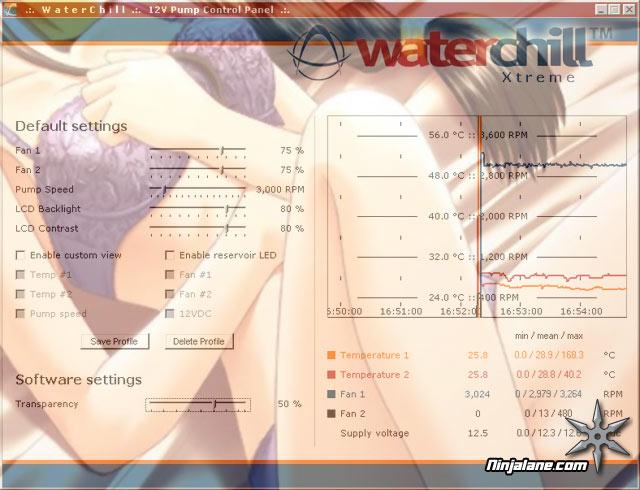
For example, the factory pre-set is for the PC to power up when the -5C; you can change this either higher or lower, depending on your preference. P4 SETUP The directions for setting up the Vapochill are very clear and explicit – each step is explained and there are plenty of pictures to guide you through the process. Setup involves a number of distinct steps to ensure that there is no moisture condensation in the CPU area. Asetek includes foam and heaters for this purpose – setting up these components is not difficult nor particularly time consuming. I took about two hours to do it, taking my time, reading the directions and taking pics along the way.
Size: 2.4 MB, Price: USD $99.99, License: Shareware, Author: Testking Inc (testking.com) 22 Contains over 65 specific TExES Exam Prep Study Systems available for In App Purchase!!! TExES Exam Flashcard Study Systems Available:~ TExES (178) Art EC-12 Exam Flashcards~ TExES (192) Bilingual Generalist EC-6 Exam Flashcards~ TExES (176). Size: 1.8 MB, Price: Free, License: Freeware, Author: Mometrix Media LLC (mometrix.com) 23 Whizlabs J2EE Certification (Test 483) Exam Simulator Ensure your success in IBM Enterprise Connectivity (with J2EE) certification exam with Whizlabs simulator. Mscit online exam.
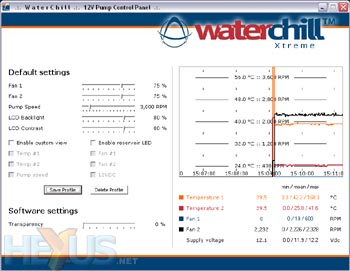
Asetek has announced the development of a new fan control technology that's said to deliver both quieter computing and optimum cooling performance, and an update to its ChillControl app. Dec 31, 2017 - The installation of the Asetek WaterChill Control Panel USB software and drivers It's time to install the provided software, which should be.
First set of steps involves placing insulating foam around the socket area. Both these heaters are designed to ward off moisture and can be configured through the Chill Control unit. What I did not do is grease up the socket pin holes with the “Heat Conduction Compound” that comes with the Vapochill – I’ll do that for the long-term test, but for now I skipped it. Users should not skip this step.
I used Cooling Flow thermal grease between the cooling head and CPU case top. Having done all this, next step is to mount the motherboard into the case. I do not like the standoffs for the motherboard.
They are very easy to use – that’s not the problem. If you want to remove the motherboard, you have to go to each standoff and pinch each one while moving the motherboard up a bit to clear the top part of the standoff (so it does not lock). Not a show stopper by any means – just a tedious way to remove a motherboard – but I would much prefer screws. Once the motherboard is in the case, you then have to align the cooling head so that it mates with the CPU core. This may involve bending the stalk to get things to line up. I probably spent more time doing this than any other step.